How to Update Free Fire Panel to the Latest Version
Update Free Fire Panel safely: check your version, install over the existing app, and keep your sensitivity setup exactly as you tuned it.
Read more
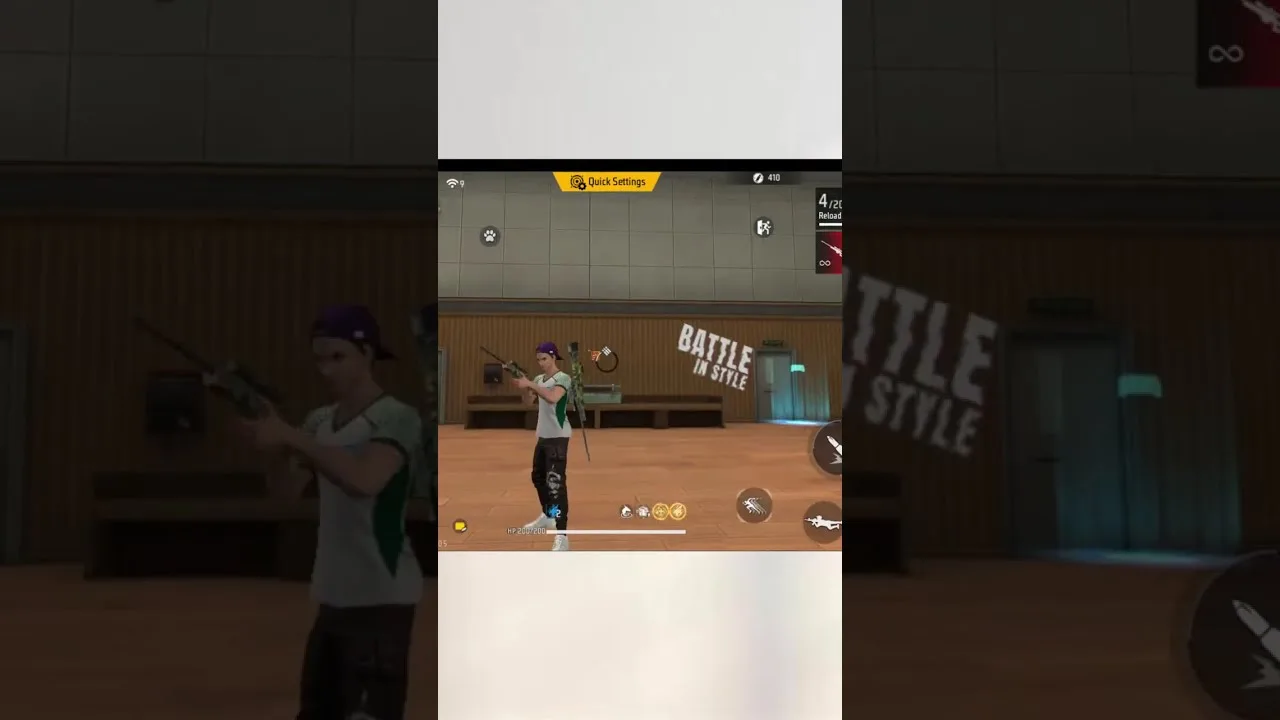
Playing matches is the worst way to test a sensitivity change ever devised: opponents, loot, zone luck, and nerves all vote on the outcome, and the one variable you changed drowns in the noise. Training exists to isolate aim. Used with drills and scores, it turns Free Fire Panel training tests into measurement instead of superstition — and measurement is what makes a setup improve month over month instead of wandering.
Bring fifteen minutes, one changed slider, and somewhere to write. That is the entire equipment list.
One variable at a time, in a small step. Same drills, same distances, same session structure as your baseline. Scores written before opinions are formed — memory is a publicist, not a witness, and it will happily report that the change you hoped for worked.
Warm up first, always. The opening minutes of cold-thumb data have condemned more good settings than any bad slider ever made.
At a fixed mid-range distance, attempt twenty drag headshots on a stationary target and count the clean ones. This is the master metric for general and red dot sensitivity. Repeat the set at close range, because a genuine setup serves both distances — a change that buys one with the other is a trade you should make knowingly.
The mechanics being measured are broken down in our headshot settings guide; this drill is how you know whether its advice worked on your hands.
Tracking next: hold the crosshair on a moving target without firing, and score how long contact survives. It exposes mid-range sliders — red dot and 2x — with nowhere to hide.
Then scopes in ladder order: ten acquire-correct-fire attempts per magnification, counting first-shot hits. A scope whose score lags its neighbours is accusing its own value, and our scope settings guide gives the adjustment each pattern calls for.
Never keep or kill a change on one session. Scores ride on sleep, mood, and warm-up; genuine improvements persist across three sessions on different days, while placebo improvements quietly evaporate. Keep what survives, revert what does not, and record both outcomes.
That notebook becomes your backup, your new-phone starting point, and the standing refutation of every 'perfect sensitivity' video — you own something better than their numbers: your evidence.
Isolated variables, fixed drills, written scores, patient verdicts. A week of testing this way outperforms a season of vibes, because every value you keep has survived an audit. That is what a tuned setup actually is: settings with evidence.

Update Free Fire Panel safely: check your version, install over the existing app, and keep your sensitivity setup exactly as you tuned it.
Read more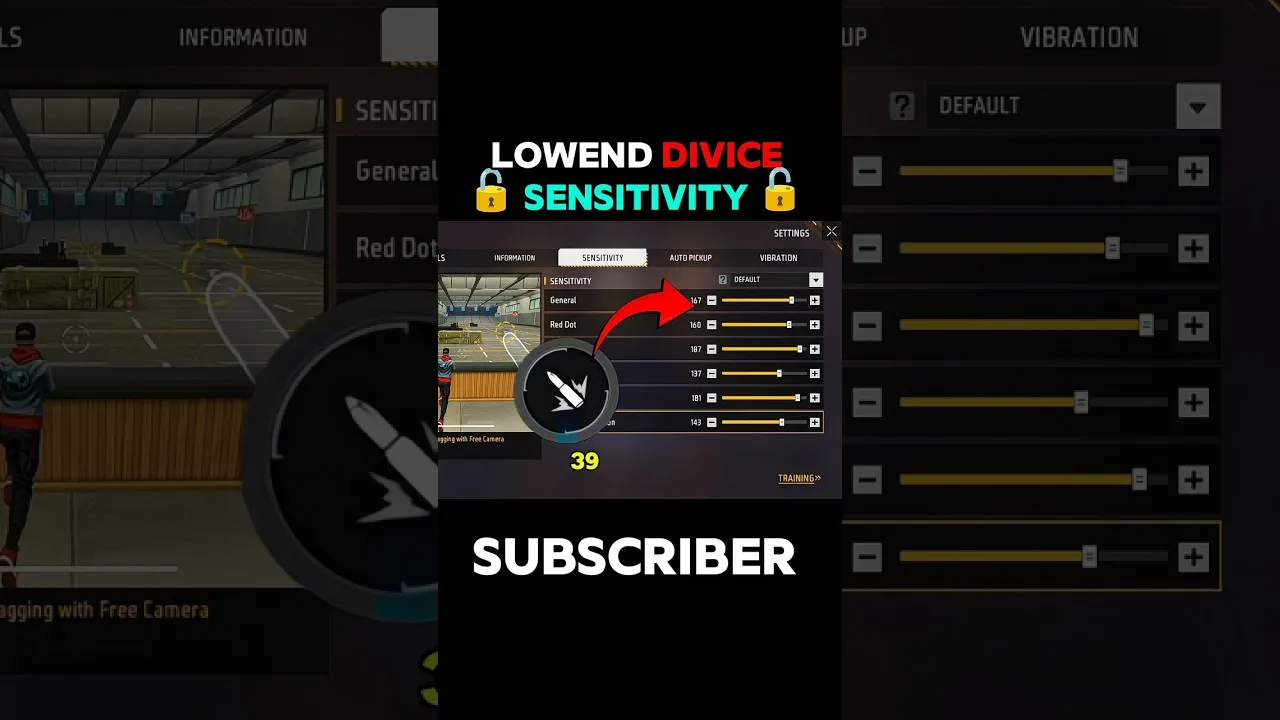
Beginner sensitivity tuning with Free Fire Panel: what the settings mean, a safe starting method, and how to reach a setup that is truly yours.
Read more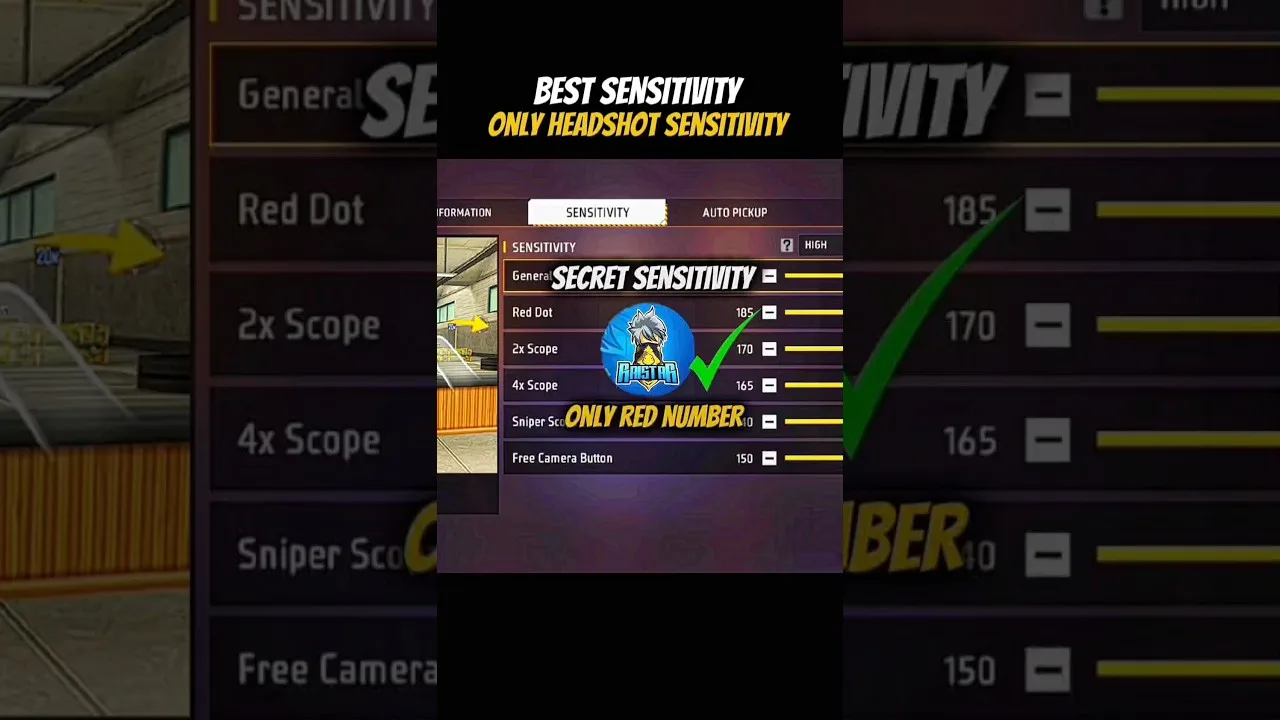
Configure Free Fire Panel for cleaner drag headshots: the general and red dot relationship, testing at two distances, and the practice that converts settings into skill.
Read more